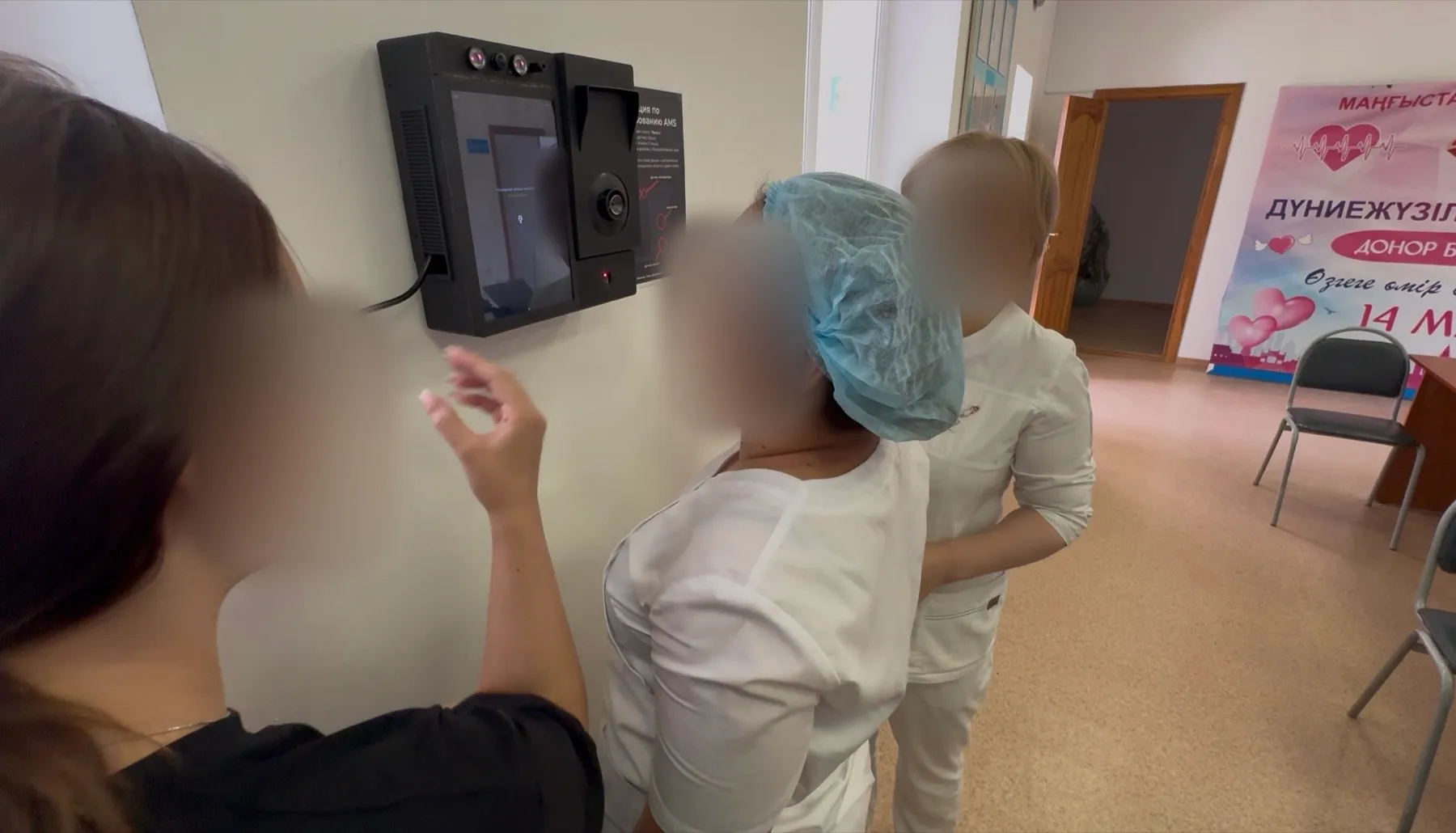
Work · Automated Monitoring Solutions, Aktau · Nov 2024 – Sep 2025
AMS Tablet
A pre-shift checkpoint tablet for industrial sites in Kazakhstan.
Before a shift, workers on an industrial site pass a checkpoint. AMS put a two-part wall unit there that runs four checks in one stop: identity by face recognition, temperature, breath alcohol and SpO2.
Each unit is an edge device that reports to a cloud dashboard, and an admin dashboard and mobile app hold the attendance and health logs. I worked on it as a full-stack and hardware developer.
Details
The checks
Four checks, one stop
One wall unit in two halves: a screen with a camera and a temperature sensor in its top edge, and beside it a breathalyser port above a pulse sensor. Each part answers one check.
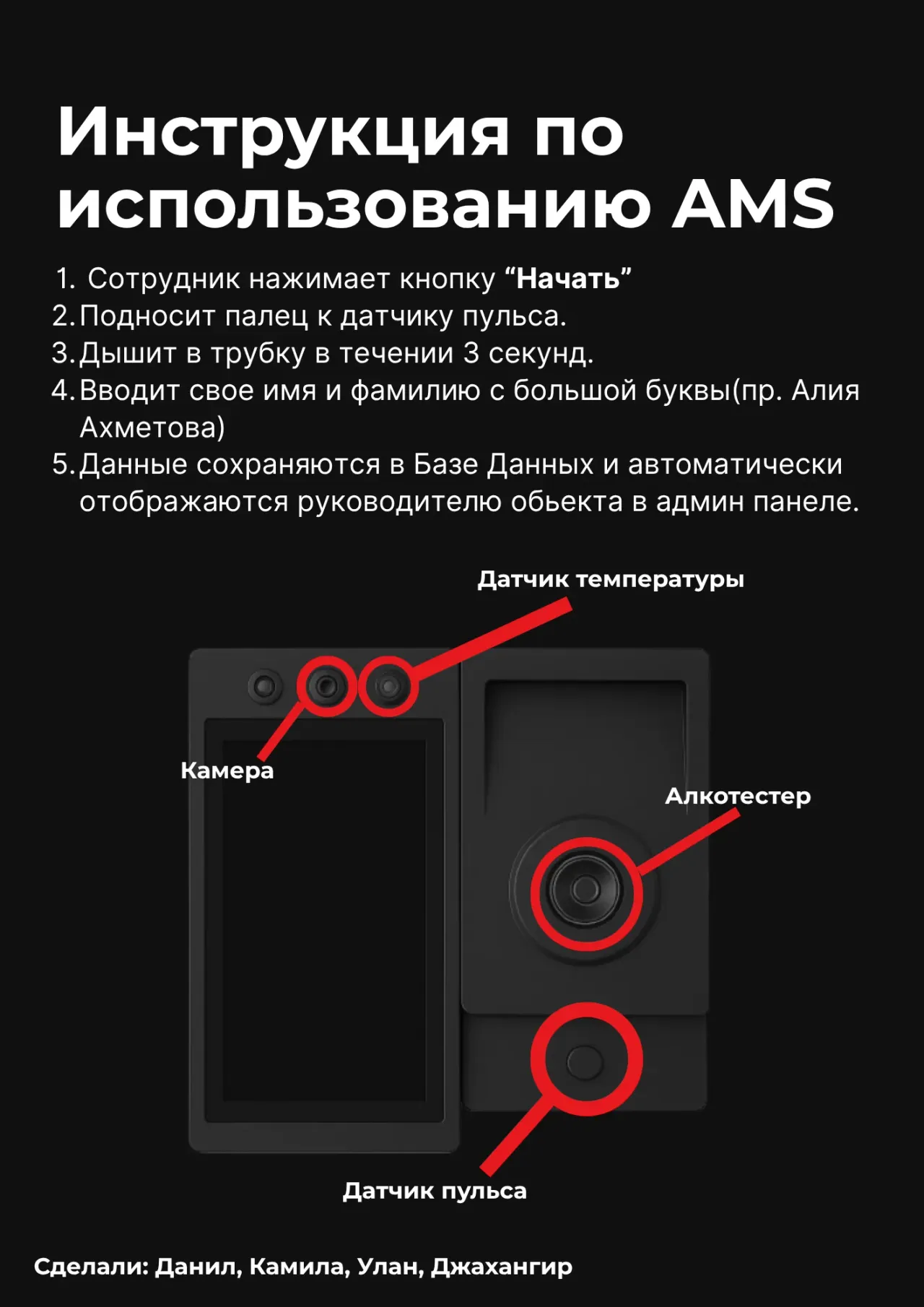
- Camera · face recognition
- Temperature sensor · remote
- Breathalyser · Dingo B02
- Pulse sensor · pulse oximetry
-
Identity
Camera · face recognition
The first question at a checkpoint is who is standing there. The camera in the unit's top edge takes the worker's face, and face recognition answers it: the deck's component page names AWS face recognition for that job. The readings that follow then have a name on them, and the admin dashboard and mobile app keep that name, with the time, as attendance.
-
Temperature
Temperature sensor · remote
The second reading needs no contact. The deck lists remote temperature measurement among the unit's components, and the instruction card marks the temperature sensor in the same top edge, right beside the camera and facing the same way. The value goes into the health log with the others, under the name the identity check found.
-
Breath alcohol
Breathalyser · Dingo B02
The right half of the unit is built around one part: the round port in its middle is the breathalyser, the largest opening on the front. The deck names the sensor behind it among its components, a Dingo B02 alcohol sensor. The worker breathes into the port, and the result joins the identity, the time and the temperature in the same pre-shift record.
-
SpO2
Pulse sensor · pulse oximetry
The fourth reading takes a fingertip on the round sensor below the breathalyser. The deck's component page calls it pulse oximetry: it reads SpO2, the share of oxygen the blood carries. With that the record is complete, and it goes to the admin dashboard and the mobile app, which hold the attendance and health logs for the site.
On site
On the wall
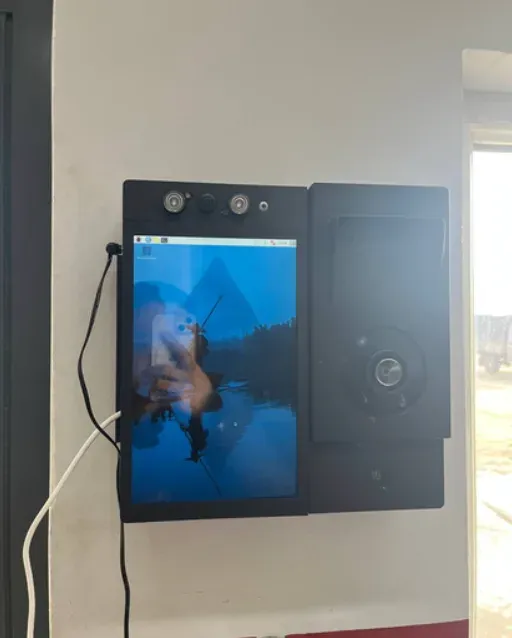
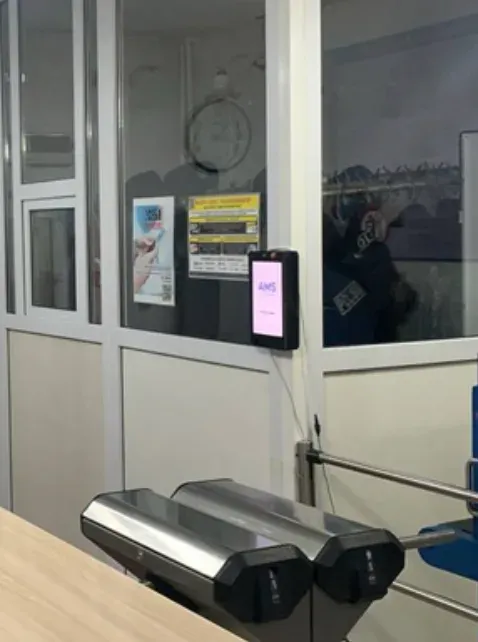
The unit in the field: on walls at site checkpoints, next to turnstiles and doors. I installed the cameras and sensors on site. Two of the installed tablets show ESG, which is a client company's brand, not the product's name.
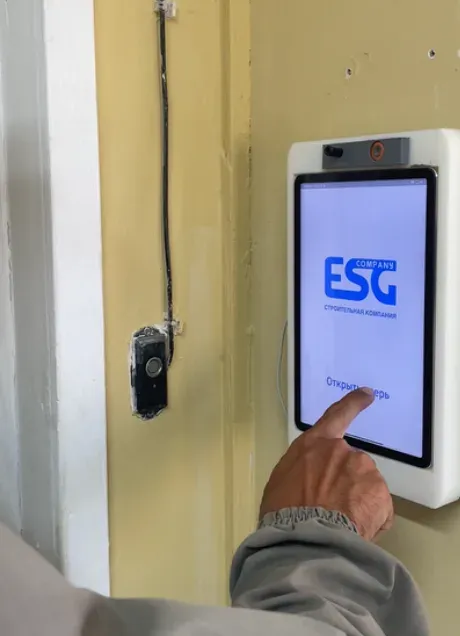
Behind the tablet
Edge to cloud
The two-part unit is built on a Raspberry Pi (its desktop is on the screen in the first wall photograph above), and I did the assembly, wiring and soldering. The units are edge devices: each one reports to a cloud dashboard through an edge-to-cloud API, and the cloud side is deployed on AWS with Docker and Portainer.
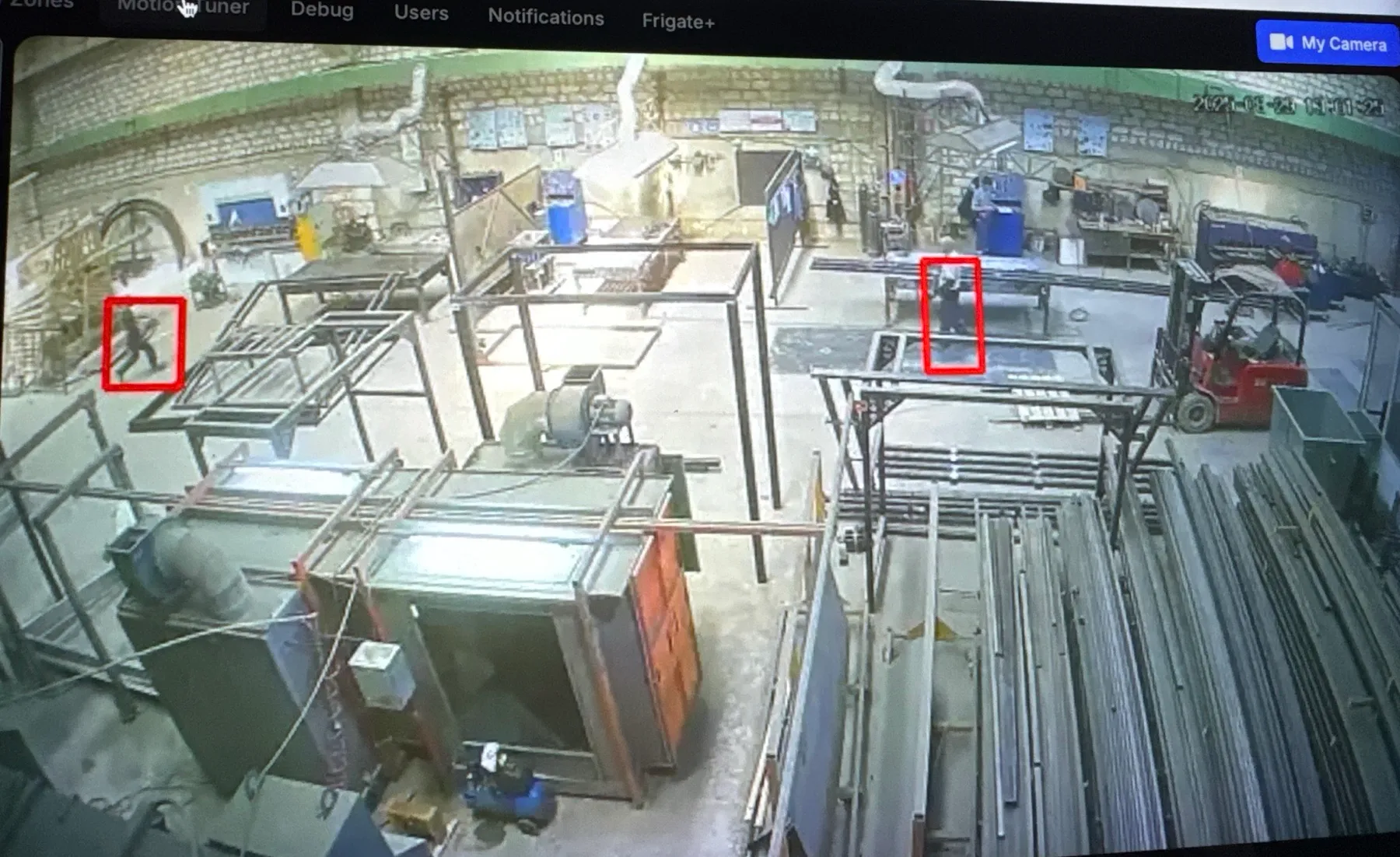
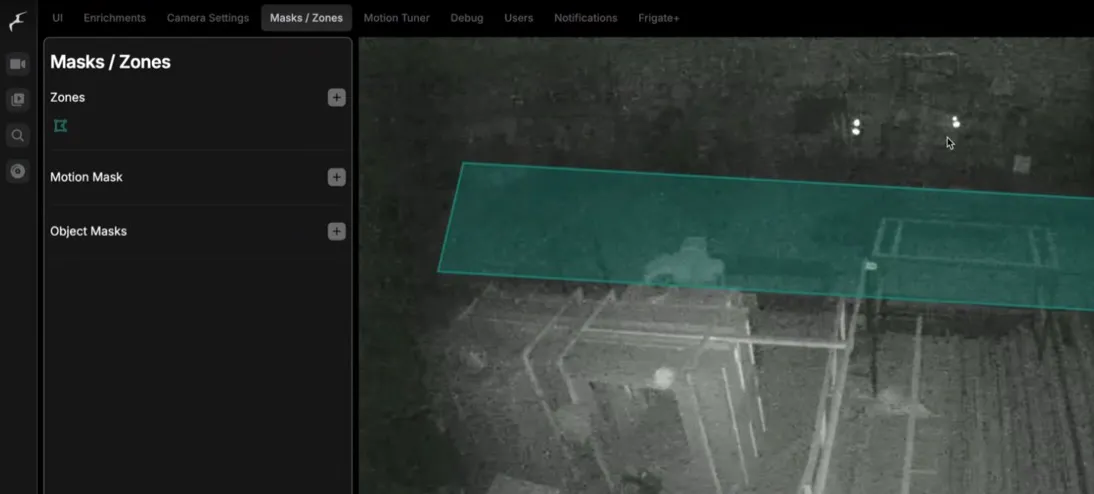
I also set up person detection on cameras with YOLO and Frigate. In the feed below, a fabrication workshop, each person found is boxed in red; zones are drawn over the camera image, here a night view in infrared.
- Edge The unit A Raspberry Pi with a camera, a temperature sensor, a breathalyser and a pulse sensor.
- Link The API An edge-to-cloud API: every unit reports to the cloud.
- Cloud The cloud The cloud dashboard, and a deployment on AWS with Docker and Portainer.
- Admin The logs The admin dashboard and mobile app hold attendance and health logs.
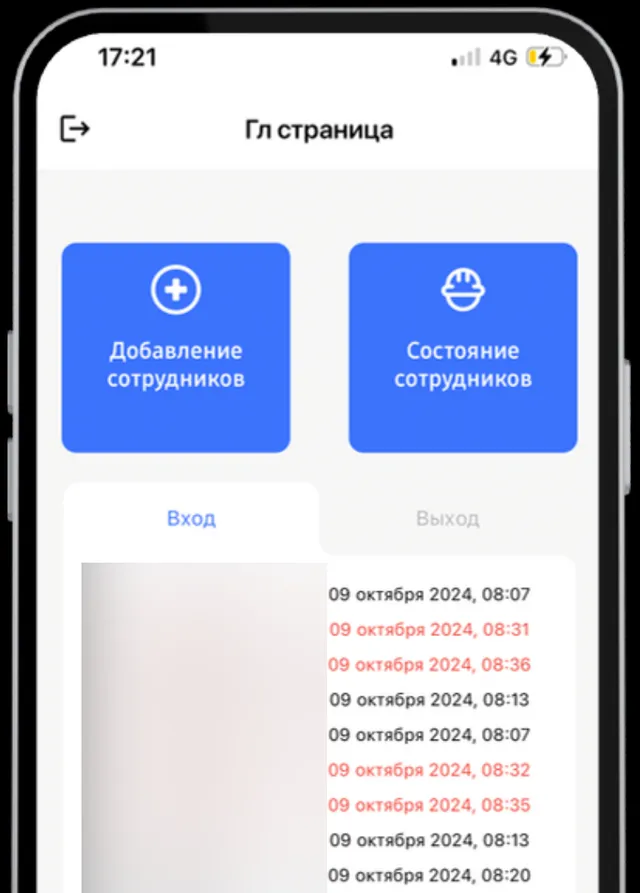
Pitch deck · 4 pages, in Russian
The deck
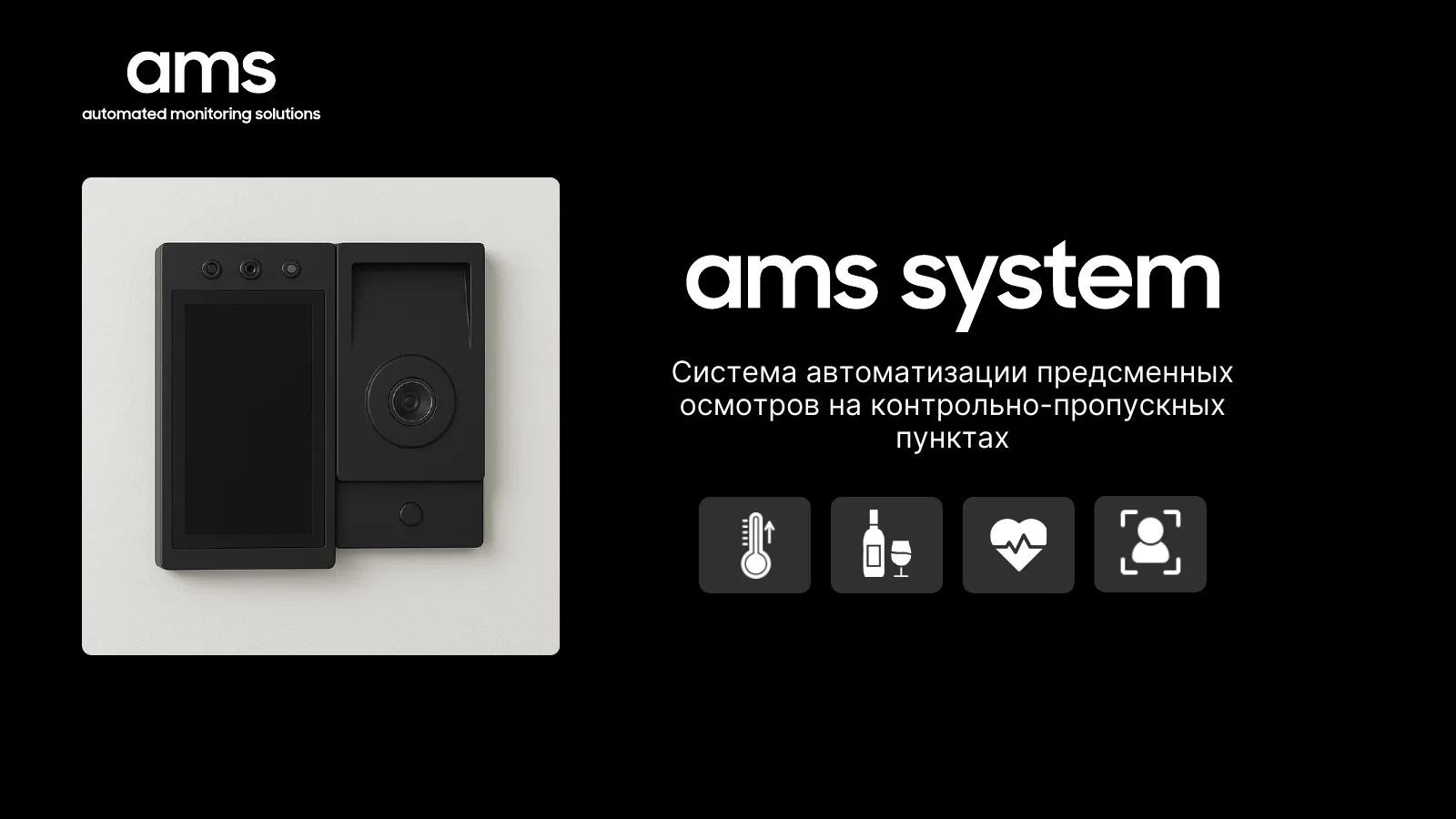
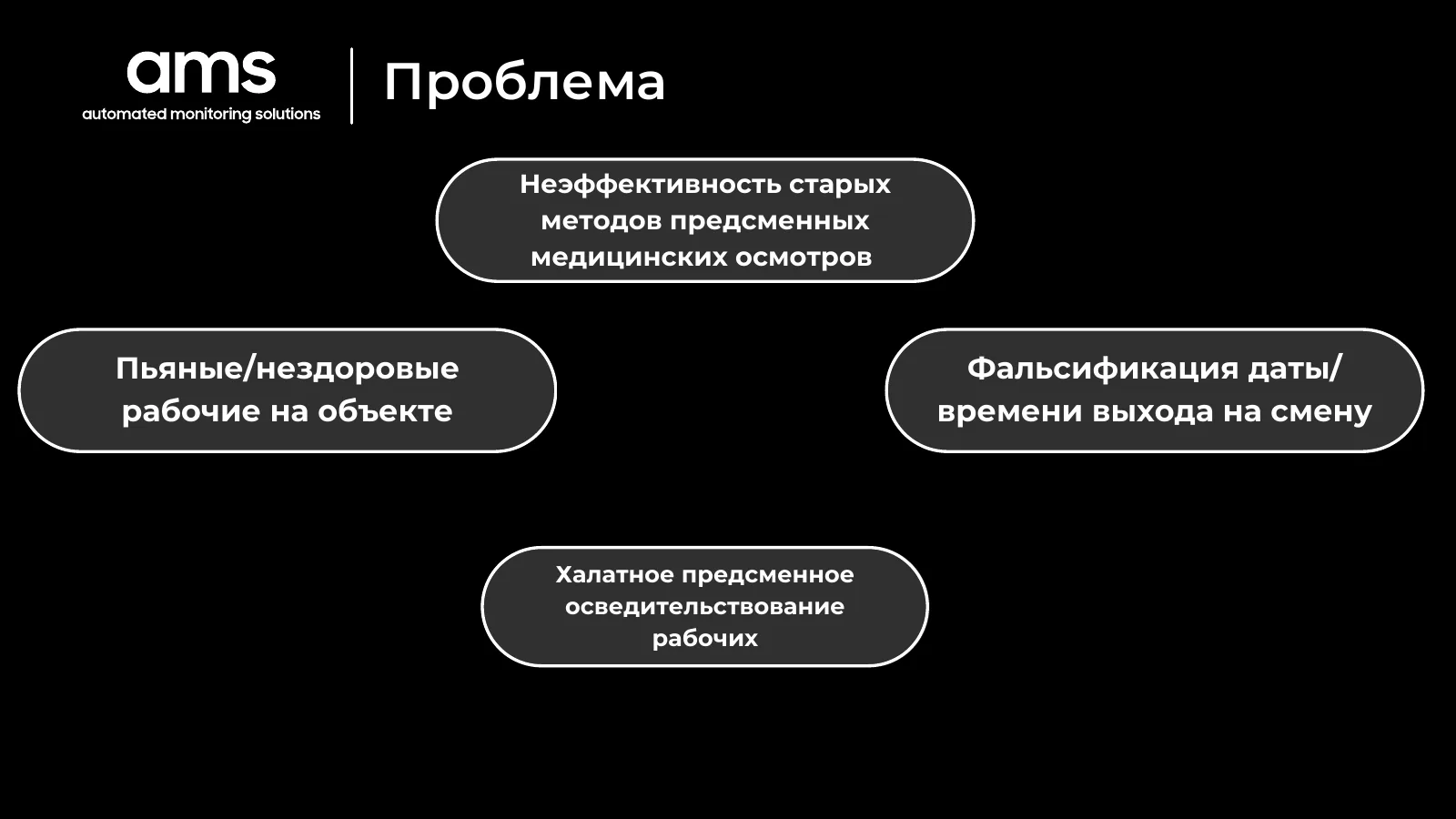
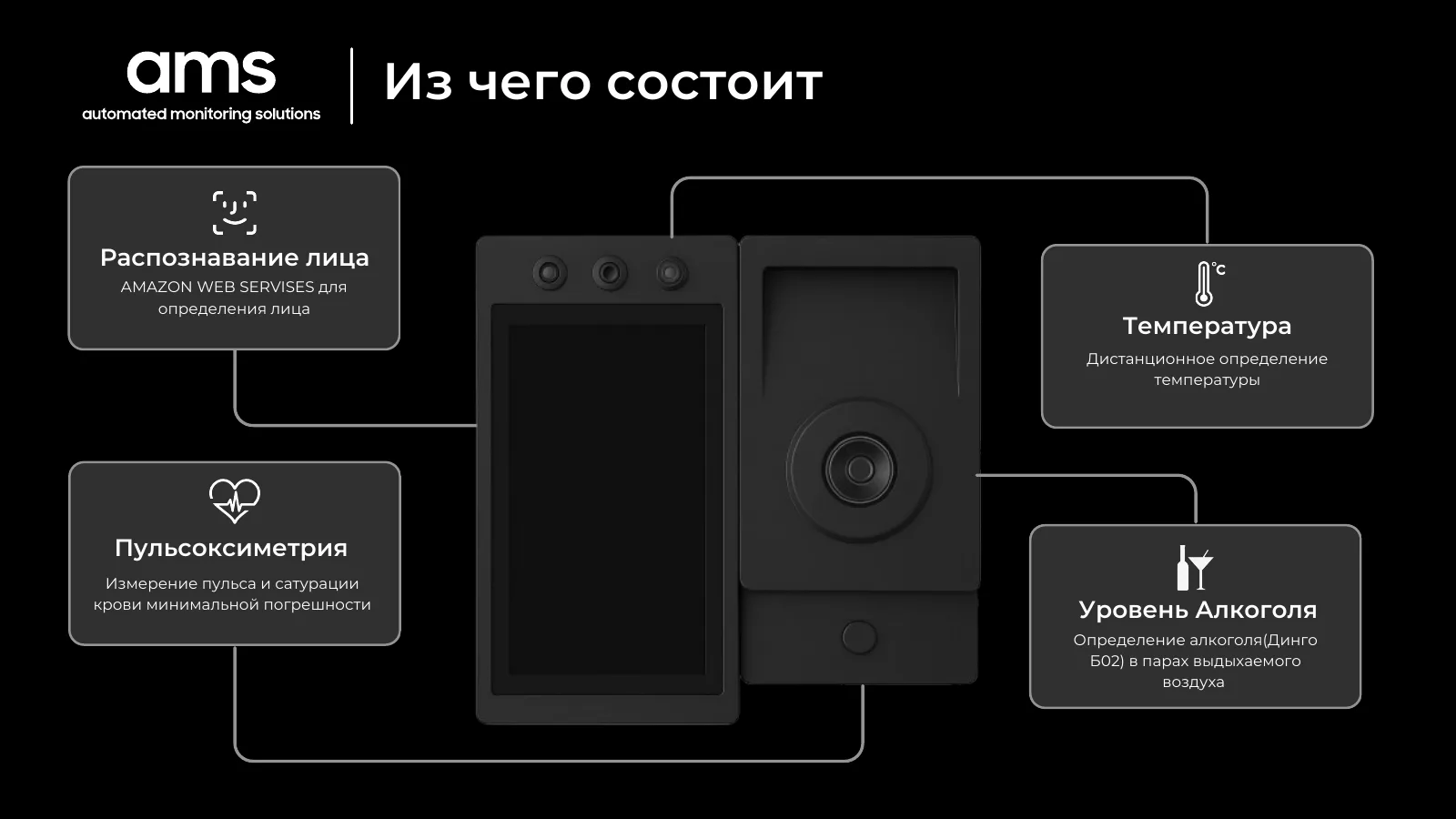
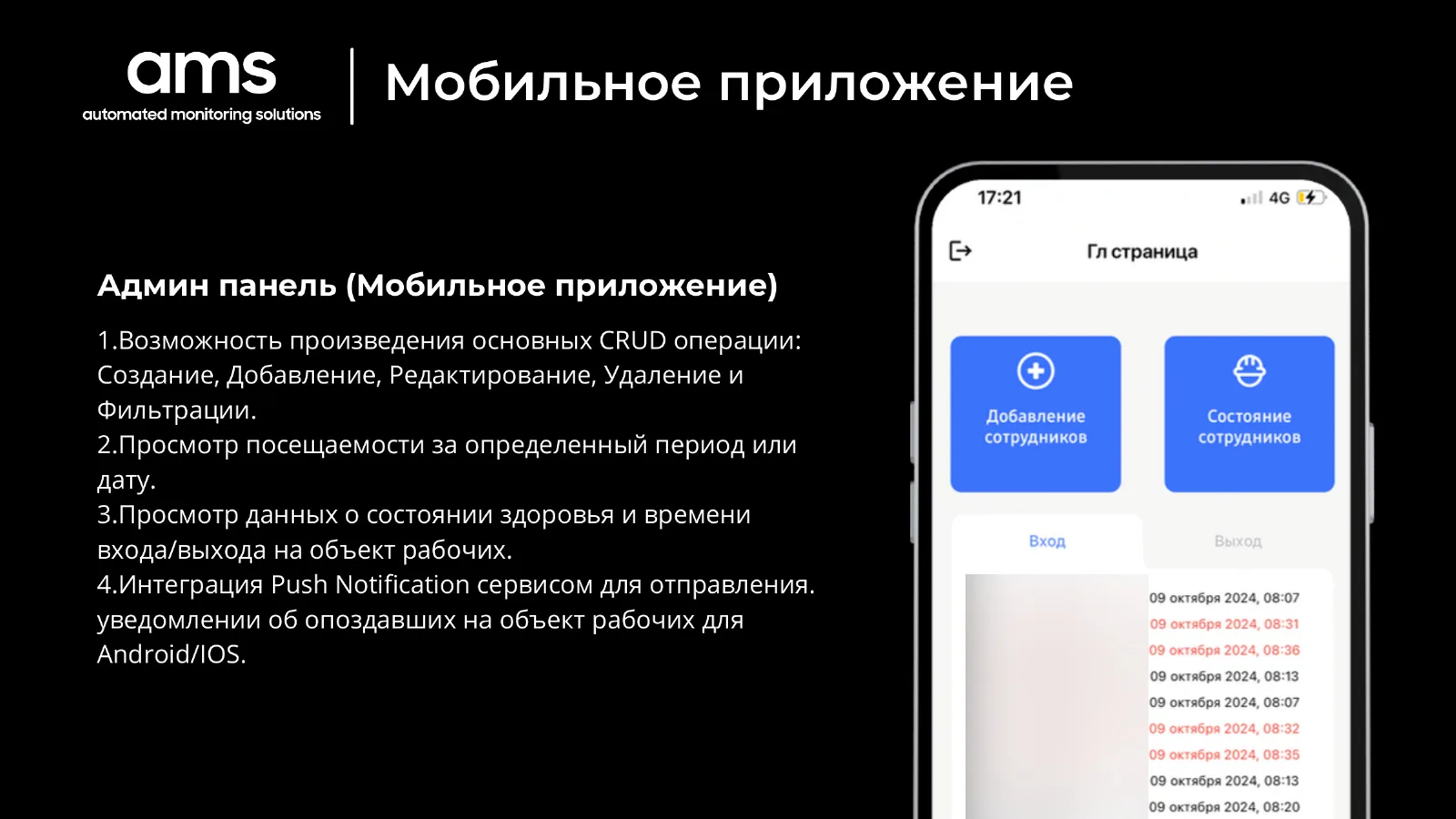
- The product
- The problem: manual pre-shift checks
- The components
- The admin app
My part · Nov 2024 – Sep 2025
What I did
- Software The full-stack app.
- Hardware Raspberry Pi assembly, wiring and soldering.
- On site Camera and sensor installs.
- Cloud Deployment on AWS with Docker and Portainer.
- Edge to cloud The API the units report through.
- Cameras Person detection with YOLO and Frigate.